
Tokyo Scam Stories: A Candid Interview With a Japan Local
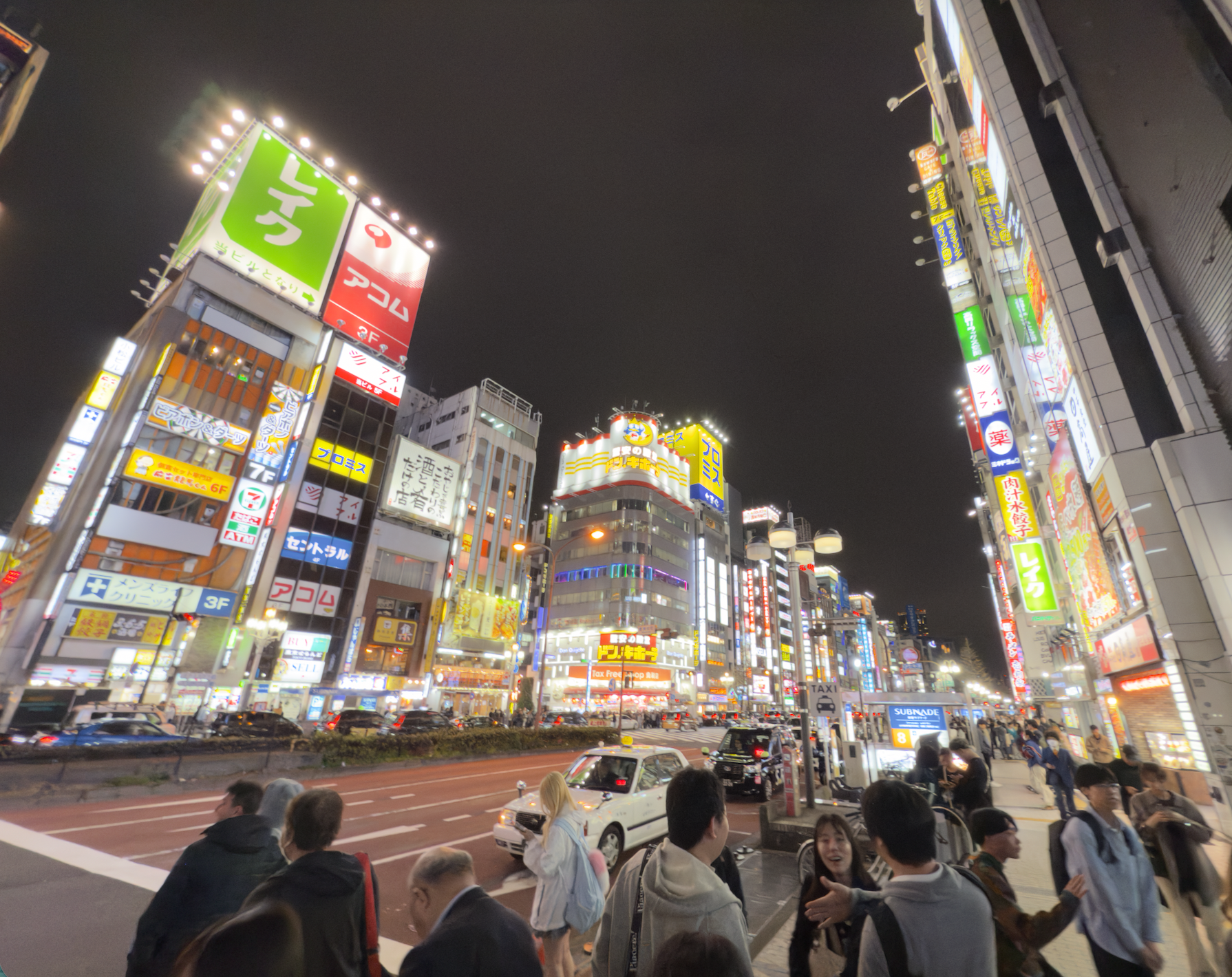
Tokyo looks like a neon playground at night—arcades, karaoke, bars, and crowds flowing through streets like Shinjuku, Shibuya, and Kabukicho. For most travelers, it is one of the safest big cities in the world.
But underneath the bright signs and loud music, there are scams:
touts grabbing people off the street, dating app traps that end with a massive bar bill, and even a “religious” setup that lures foreigners miles outside central Tokyo.
In this post, I’m sharing stories from Chris, a Tokyo-based local who’s been targeted multiple times. He breaks down how these scams actually work, why they’re so effective, and how you can enjoy Tokyo nightlife without getting burned.
Meet Chris – The Local Who’s Seen It All
I brought Chris onto my channel because he’s not a tourist passing through. He lives in Tokyo, speaks Japanese, and has spent countless nights out in the city.
He describes Tokyo nightlife as:
Vibrant and bright – neon signs, busy streets, tons of options
Lively but safe – one of the safest cities to party in, as long as you’re respectful
Full of hidden traps – especially for travelers who don’t know the red flags
From touts to fake “language exchanges,” he’s experienced scams up close and wants visitors to know:
Tokyo is safe—but don’t let that make you careless.
Scam #1: The Touts in Kabukicho (Shinjuku)
If you only remember one thing from this blog, make it this:
Do. Not. Follow. Touts. Anywhere.
Who are the touts?
They’re usually guys (often African, sometimes others) standing in nightlife districts like Kabukicho (Shinjuku), Shibuya, and parts of Harajuku, aggressively trying to pull you into bars or clubs.
They don’t just hand you a flyer.
They’ll follow you.
They’ll block your path.
They might even put their arm around you to steer you toward a place.
Chris told a story from his very first trip to Tokyo in April 2024:
He’d been in the city less than 6 hours.
He was walking through Kabukicho at night with his younger brother (6’2”, 300 lbs, not exactly an easy target).
A tout made eye contact, locked on, then walked over and literally threw an arm around Chris.
When Chris shrugged him off, the tout got angry, tried to step in front of him, and followed them for about three blocks.
If someone needs to physically push you toward their bar, that’s not a legit business.
What happens if you follow a tout?
According to Chris and countless online stories, once they get you inside:
You might be told it’s all-you-can-drink for a set price… then get hit with a massive “service fee” or surprise bill.
They might intimidate you into paying way more than you agreed to.
In some cases, people report being drugged, having their phone and cards taken, and their credit cards run until they max out.
Others paid their bill, left, and later saw multiple huge charges that were added after they left the bar.
And remember: in Japan, the conviction rate is insanely high. If the bar says you owe the money and police get involved, there’s a good chance things go badly for you.
Bottom line:
If someone aggressively tries to drag you off the street into their bar—do not go.
Scam #2: Dating App Bar Trap (Tinder, Bumble, etc.)
This one is sneaky because it feels like a normal date.
Here’s how it works:
You match with someone on Tinder, Bumble, or another dating app.
You chat, hit it off, and they suggest a bar:
“Let’s go to this place, I know it, it’s great.”
You go together, drink, eat, have fun. Everything feels normal.
At some point, they say:
“I need to use the bathroom.”
They disappear. They’re not in the bathroom. They’re not coming back.
The staff bring the bill—and it’s huge.
Turns out the person you were with works with the bar and gets a cut of whatever you’re forced to pay.
If you refuse, things can escalate quickly. You’re in a foreign country, you don’t know the laws, and suddenly a fun night can turn into a nightmare.
How to avoid it:
Be cautious when someone insists on a specific bar or insists they’ll “take you somewhere special.”
Look up the bar’s reviews before you go.
If the place feels shady, prices aren’t listed, or the vibe is off—leave early, before the bill comes.
Scam #3: The “Religious” / Cult-Like Temple Scam
This is one of the wildest stories Chris shared—and one you almost never hear about online.
It started harmlessly in Akihabara, a busy area popular with foreigners.
A Japanese guy approached Chris in a store and casually started talking.
He spoke decent English, said he was a student, and eventually asked for Chris’s Instagram so they could do a language exchange.
That’s totally normal in Japan. Language exchanges are common, and it felt like a cool local connection.
Later, the guy invited Chris to meet in Ikebukuro for lunch with “a friend.” That’s where things got weird.
Red flags that stacked up:
The friend barely spoke English—and the original guy didn’t ask Chris any English-language questions, even though this was supposed to be a language exchange.
They suddenly switched the conversation to religion and invited him to visit a “Buddhist temple that tourists don’t know about.”
The temple was far outside central Tokyo, requiring a train ride out of the city.
On the train, the two positioned themselves in a way that felt like they were physically boxing him in.
One of them started asking invasive questions about:
Where he lived
How much his rent was
His exact location on Google Maps (he literally tried to hand Chris his phone and make him pinpoint his building)
By the time they arrived, they took him to a small, storefront-style “temple,” handed him prayer beads, and tried to get him to participate in a special “power” prayer.
When Chris refused on religious grounds, the vibe shifted immediately.
They got irritated, then abruptly said:
“Okay, we go back to the station now.”
Later, after blocking them, he researched and learned:
Groups like this target foreigners with stable income.
They pressure you into joining their group, and eventually into paying money.
Some even show up at your apartment repeatedly once they know where you live.
Key lesson:
If a “friendly language exchange” turns into:
An invitation to a remote temple
A pushy conversation about religion
Questions about your income and exact address
—get out.
The “English Menu” Price Scam
Not all scams are dramatic. Some just quietly overcharge you.
In busy areas like Shinjuku and Shibuya, some restaurants have:
A Japanese menu for locals
An English menu for tourists… with higher prices for the exact same dishes
Chris has seen this firsthand:
He’s been handed an English menu with one set of prices
Then asked for the Japanese menu
Same items, but the Japanese version was cheaper
It’s not always a massive difference, but it adds up.
What you can do:
If you can read a bit of Japanese or use your phone, ask for the Japanese menu.
Use Google Translate on your camera to compare prices.
If the English menu is clearly more expensive, you can:
Politely ask for the Japanese pricing
Or just choose another restaurant
Not every place does this. Many are fair and honest. But it’s worth paying attention.
Maid Cafes, Host Clubs & Adult Entertainment – Are They Scams?
You’ll see a lot of people on the street in places like Akihabara and Kabukicho:
Girls dressed as maids
Hosts or hostesses inviting you to bars and clubs
People advertising “adult entertainment”
Chris broke them down into three groups:
1. Maid Cafes
Young women dressed as maids hand out flyers or invite you in.
They’re usually promoting maid cafes, where the experience is cute, anime-themed, and novelty-focused.
They’re not usually scammers, and they’re generally not aggressive.
If that’s your thing, going inside with a group is usually safe.
2. Host / Hostess Bars
These are more adult-oriented bars where staff drink and talk with you.
They can be expensive, especially once drinks start flowing.
Not inherently a scam, but watch your tab and know what you’re agreeing to.
3. Adult Entertainment Establishments
These operate in a legal gray area, offering services that stop just short of what’s defined as illegal prostitution.
They’re common in certain corners of Kabukicho and other nightlife zones.
Not all are scams—but prices, expectations, and services can be confusing if you don’t speak Japanese.
The rule of thumb:
If someone is aggressively trying to drag you in—especially a guy on the street—that’s a bigger red flag than a polite flyer or quiet invite.
How Safe Is Tokyo Really?
Here’s the thing:
Despite all of this, Tokyo is still one of the safest big cities in the world.
Chris’s main message:
You’re not likely to get kidnapped, jumped, or grabbed into a van.
Most “danger” is financial: overpriced bars, surprise bills, or scams that drain your card.
The worst most people face is harassment, not physical violence.
But safety can make people careless.
Don’t walk around thinking:
“It’s Tokyo, nothing bad can happen to me.”
Use the same common sense you would anywhere else—just with different cultural details.
Tips for Solo Travelers, Women & LGBTQ+ Visitors
Solo Travelers
You can go out alone in Tokyo and be fine, but if it’s your first trip:
Try to go out with at least one friend.
Two people telling the same story is always better if something goes wrong.
Women Travelers
Tokyo can be much safer than many Western cities for solo women.
The biggest issue is usually nuisance-level harassment, like guys trying to hit on you (called nampa).
It’s annoying, but rarely physically dangerous.
Stick to busy, well-lit areas and use the same street smarts you’d use anywhere.
LGBTQ+ Travelers
Japan is still conservative in some ways, but younger generations are more open.
There are LGBTQ+ bars, especially in neighborhoods like Shinjuku Ni-chome.
Chris knows classmates in the community who go out regularly and feel comfortable—but he hasn’t personally experienced the scene, so he doesn’t pretend to be the authority.
Overall:
If you’re respectful, aware, and avoid the obvious red flags, Tokyo nightlife can be incredibly welcoming.
Practical Safety Tips for Tokyo Nightlife
Here’s a quick checklist based on Chris’s stories and advice:
Avoid touts completely – Don’t talk, don’t joke, don’t follow. Just walk past.
Never follow a stranger to a bar “they know”, especially from dating apps.
Don’t go to empty restaurants in busy districts – locals avoid them for a reason.
Be wary if the music suddenly changes to “your” music when you sit down—someone’s trying too hard to hook you.
Stick with your friends, especially your first few nights.
Book a hotel within walking distance of the nightlife area you’ll be in (Kabukicho, Shibuya, etc.) so you don’t gamble on late trains or expensive late-night taxis.
Don’t overshare personal info like your exact address, income, or building location with someone you barely know.
Learn a few phrases in Japanese—locals really appreciate the effort, and it can diffuse awkward situations.
Watch the Full Tokyo Scam Interview on YouTube
If you want to hear Chris tell these stories in his own words—the tone, the details, the tension—you’ll get even more out of the full video.
🎥 Watch the full interview here:
We go deeper into:
Kabukicho bar scams
Dating app traps
The religious “power prayer” cult
Safety tips for solo travelers and first-timers in Tokyo
If you’re planning a trip to Japan, this is mandatory viewing before your first night out.
Tokyo Nightlife & Scam Hotspots (Google Maps)
These are some of the key areas mentioned in the interview—great for nightlife, but also where you should stay alert:
Kabukicho (Shinjuku’s Red Light / Nightlife District)
Akihabara (Where Chris first met the “language exchange” scammer)
Use these spots as reference points—not to avoid Tokyo, but to enjoy it smarter.