
This Traditional Village Has the Best Mount Fuji View
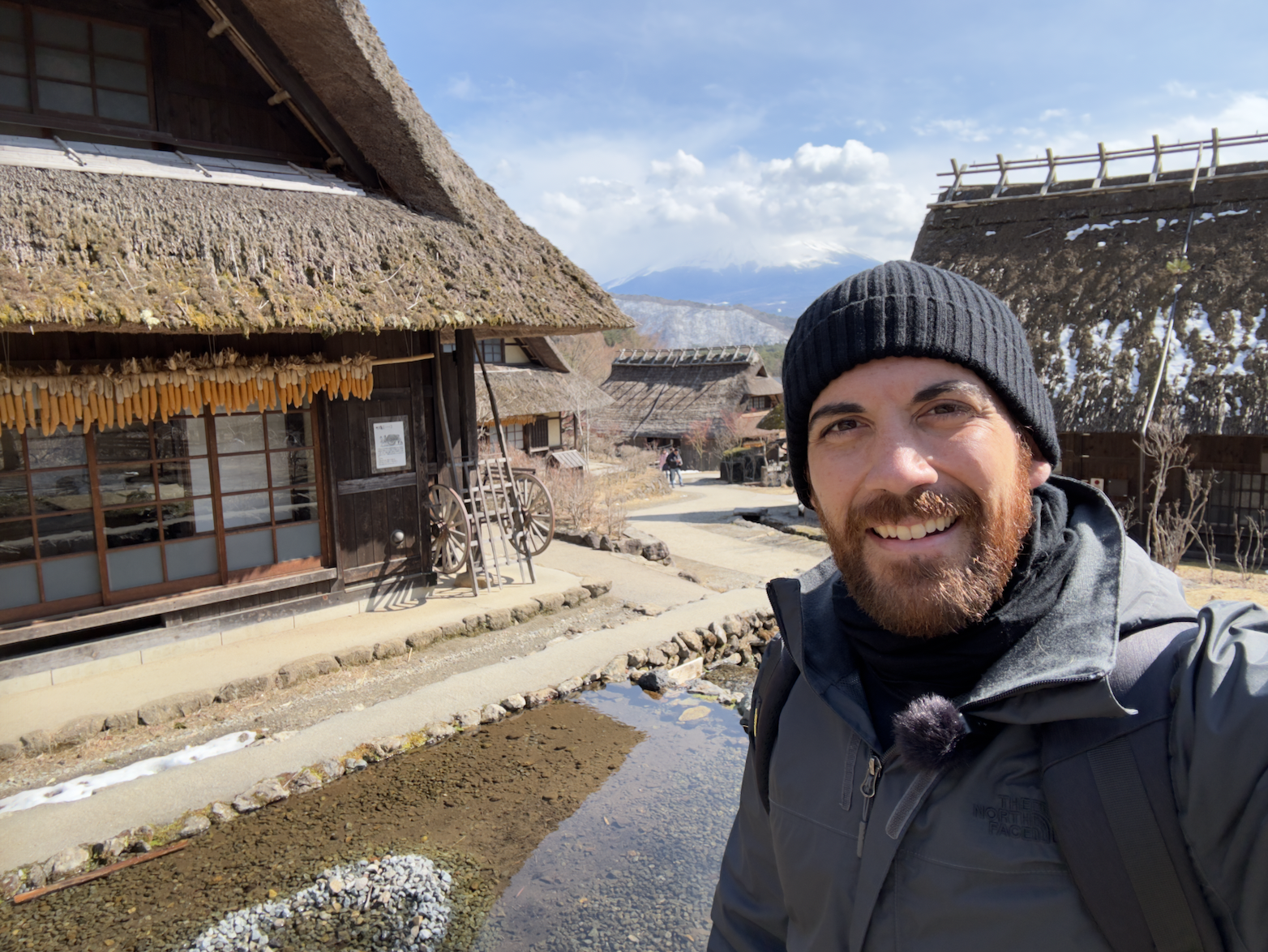
There’s something surreal about seeing Mount Fuji rise behind rooftops that look frozen in time.
Today, I explored a traditional village that feels like a doorway into old Japan — a place where thatched roofs, watermills, and quiet footpaths create a setting that hasn’t changed in centuries. When the weather cooperates, it may offer one of the most unique Mount Fuji views anywhere in Japan.
This is Saiko Iyashi no Sato Nenba — and even on a cloudy day, it was worth the visit.
What This Village Actually Is
Saiko Iyashi no Sato Nenba isn’t a village where people still live. It’s a carefully restored traditional hamlet, rebuilt to preserve rural Japanese architecture after the original settlement was destroyed decades ago.
Today, it functions as:
An open-air cultural village
A collection of restored thatched-roof homes
Craft shops, museums, and traditional food stalls
One of the few places where old Japan and Mount Fuji align perfectly
You pay a small entrance fee (cash only), walk inside, and suddenly everything slows down.
First Impressions (And Why Timing Matters)
I arrived around 1:00 p.m., and the village was active but not overwhelming. There’s a large parking lot, clear signage, and vendors selling local snacks near the entrance.
Mount Fuji was partially visible — about 50% covered by clouds — which immediately highlighted an important truth:
This place is incredible, but timing matters.
On a clear spring or autumn day, with foliage or cherry blossoms in bloom, this village would look unreal.
Food, Crafts, and Small Details
Inside the village, you’ll find:
Traditional Japanese restaurants (menus mostly in Japanese)
Souvenir shops with handmade items
Craft demonstrations
Small museums tucked into restored homes
Some shops are charming, others feel more tourist-oriented. Personally, I look for souvenirs that clearly feel Japanese, not just decorative objects — and this place had a mix of both.
One standout detail:
The roofs.
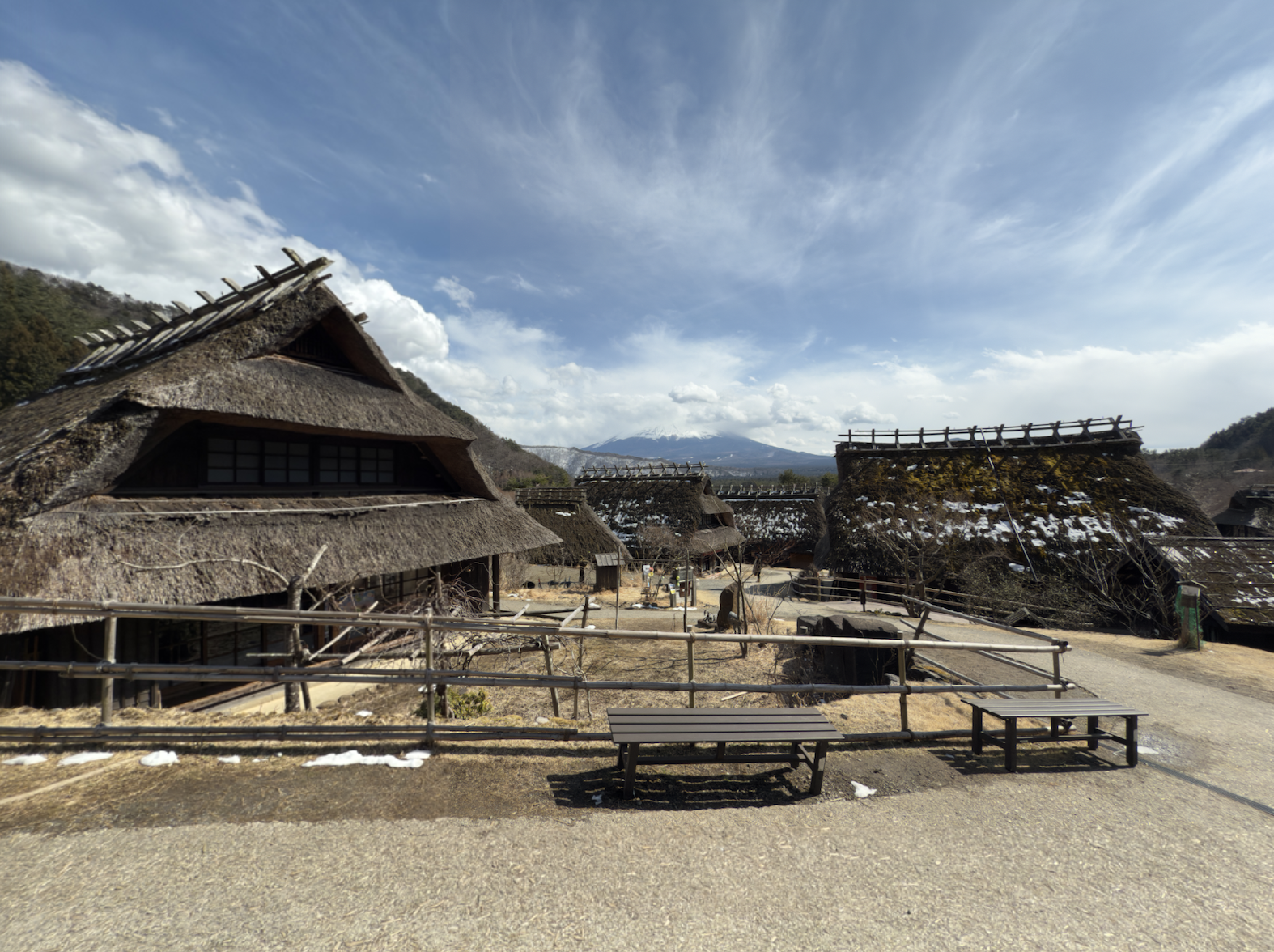
The steep, thatched rooftops are what give this place its character. They add depth and texture you simply don’t get at lakeside Fuji viewpoints.
Is This a Top Mount Fuji Instagram Spot?
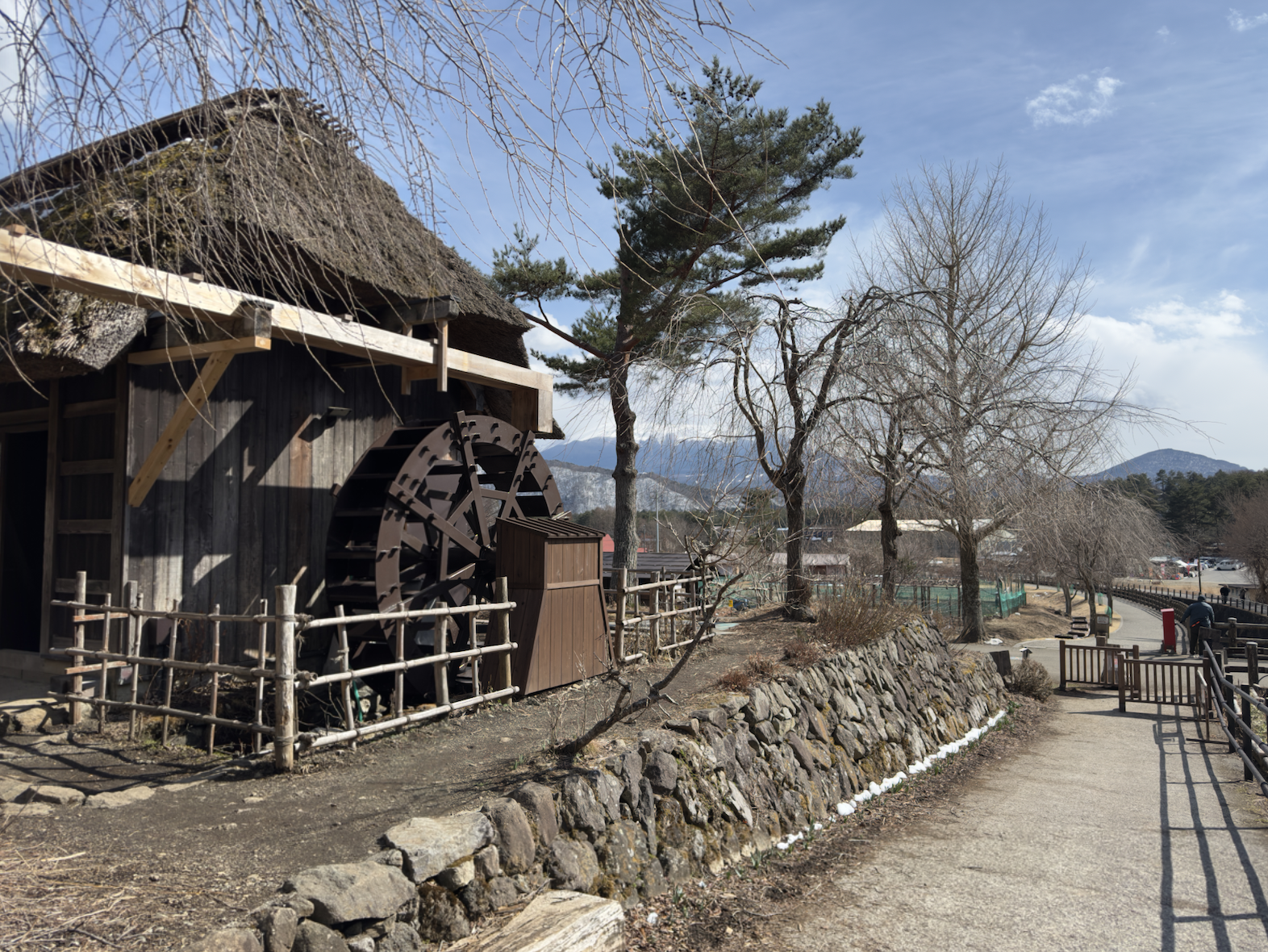
That was the real question I came here to answer.
For photography, this village has serious potential:
Foreground: water, paths, flowers, rooftops
Midground: layered traditional houses
Background: Mount Fuji
On the day I visited, winter conditions worked against it:
Bare trees
Dead vegetation
Clouds blocking Fuji
But judging on potential, not conditions, this place absolutely deserves attention.
With cherry blossoms, autumn leaves, or a clear winter morning?
This could be a top-tier Mount Fuji photo location.
The Watermill Problem (And Why That’s Okay)
I hunted for a perfect angle that included:
The watermill
Traditional roofs
Mount Fuji
It’s trickier than it looks.
The watermill is beautiful, but not perfectly positioned for symmetry with Fuji. That said, the village makes up for it with layers, not single-shot perfection.
This isn’t a one-frame destination — it’s a wandering destination.
Final Verdict
Is this the single best Mount Fuji Instagram spot?
Maybe not on every day of the year.
But is it one of the most unique and atmospheric places to photograph Mount Fuji?
Absolutely.
It earns an A for uniqueness, culture, and potential — especially in spring and fall.
📍 Google Maps: Traditional Village & Access Points
Save these locations before you go. Google Maps will take you close, but signage helps once you arrive.
Village Parking Lot (main visitor parking)
Tips:
Entry fee is cash only
Plan extra time if you want to eat inside
Best visited in spring or autumn for photos
🎥 Watch the Full Video on YouTube
This blog covers the setting — but the full experience is in the video.
In the vlog, you’ll see:
The village layout in real time
Photo scouting attempts
Seasonal limitations explained honestly
Why this place still stood out
Until the next stop — travel far.