
Snow Monkeys Bathing in Hot Springs! Japan Blog
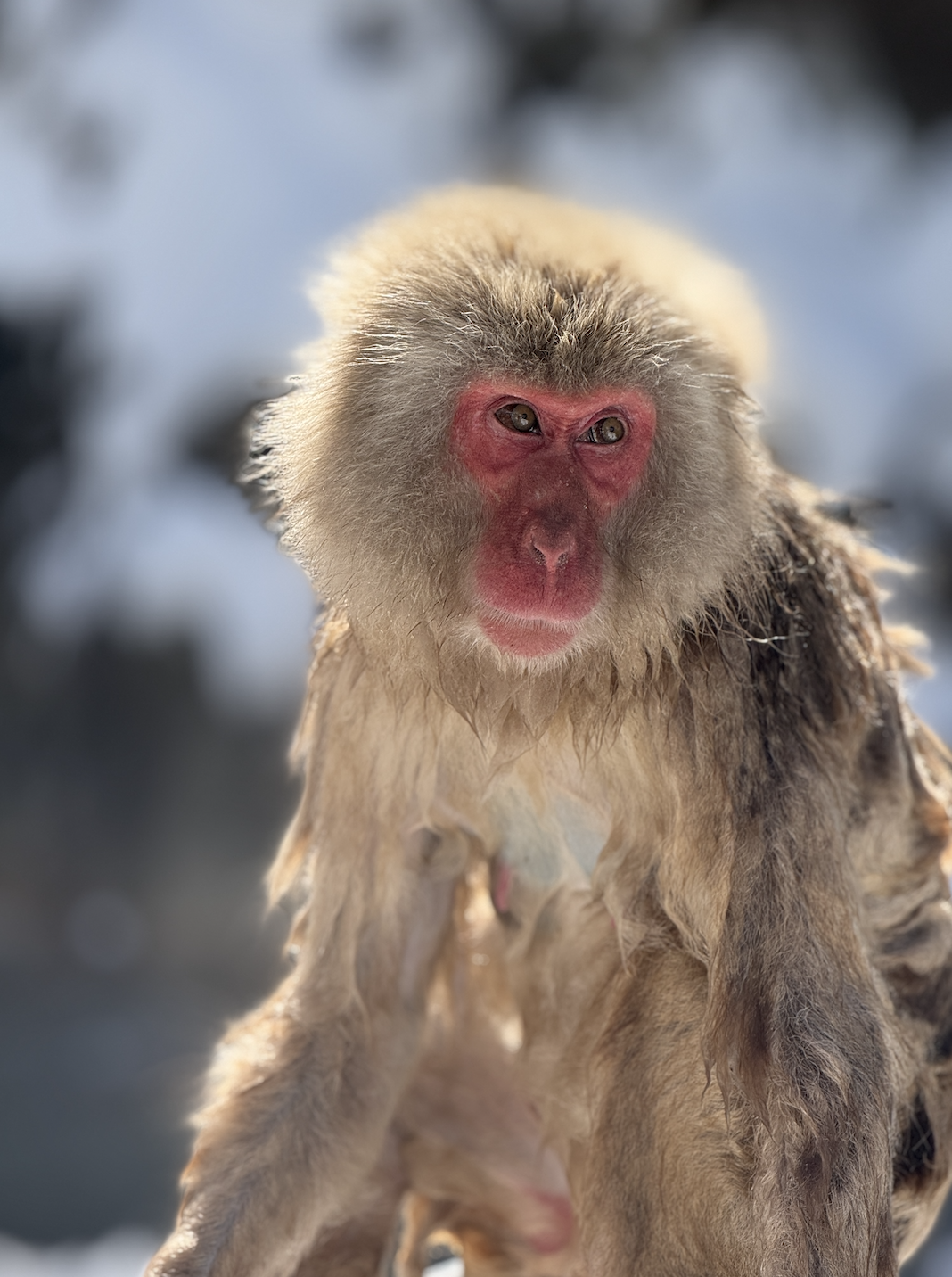
Snow Monkeys Bathing in Hot Springs – Japan’s Most Surreal Winter Day Trip
Snow monkeys, hot springs, Japan in winter.
This is Jigokudani Snow Monkey Park in Nagano – one of Japan’s most iconic animal experiences – and I road-tripped through icy mountain roads from Mount Fuji to see it for myself.
It turned into one of the wildest drives of my entire Japan trip. But the reward? Wild Japanese macaques soaking in natural hot springs like it’s their own mountain spa.
Honestly, I’d put this up against any animal experience on the planet.
And yes, I do end up touching a monkey’s red butt – but relax, it’s from the gift shop. We’ll get there.
Why I Went to See the Snow Monkeys (and Why You Should Too)
Most travelers head to Jigokudani Snow Monkey Park on a day trip from Tokyo.
I did it differently.
I was already staying near Mount Fuji, had an extra buffer day in my itinerary, and decided this was my shot to finally see the famous snow monkeys in winter.
What you get here:
Wild monkeys
Natural hot springs
A snowy forest hike
No cages, no glass, no cheesy animal shows
Just monkeys doing exactly what you would do in winter if you lived next to a hot tub.
This is a once-in-a-lifetime experience – and timing is everything.
4:35 AM Alarm – The Plan for the Day
It was 4:35 AM when my alarm went off.
I knew two things:
I had a 3-hour winter drive from Mount Fuji to Nagano.
The monkeys are most active in the morning – and so are the tour buses.
My goal:
Leave Mount Fuji before sunrise
Arrive at the parking lot (not the park gate) around 8:15–8:30 AM
Hike the 25–30 minute forest trail
Reach the ticket entrance right around 9:00 AM opening
The walking trail itself is open anytime – it’s the park area with the hot spring and monkeys that opens at 9 AM. Getting there right at opening is the real secret.
Renting a Car vs Taking the Train and Bus
Most people use a combo of trains and buses to get to the park: Tokyo → Nagano → local train → bus → walk.
It works, but there are downsides:
Buses often don’t reach the trail area until late morning
You arrive with the crowds
You’re locked into someone else’s schedule
I rented a car, and if you’re comfortable driving in Japan, I seriously recommend it.
Pros of renting a car:
Arrive before the buses and crowds
Stop where you want along the way
Leave when you want (no watching the clock for bus schedules)
Cons:
Winter driving on icy mountain roads
Tolls and ETC card drama
Navigating in a country where you’re driving on the opposite side of the road
When I rented the car originally, I thought I’d just drive around Fuji. I said no to the ETC card (Japan’s version of an electronic toll pass, like SunPass in Florida). Huge mistake.
Some highway exits are ETC-only, which means you literally can’t use them without the card. A couple days earlier, I tried exiting at one of those ramps and was basically forced back onto the highway to loop around. Not fun.
So if you’re renting a car in Japan:
Get the ETC card. Just do it. Your stress levels will thank you.
The Drive to Nagano – Ice, Stress, and Fuji in the Dark
By the time I walked out to the car, it was still dark and freezing.
The windshield was covered in ice, and I didn’t have a scraper. I sat in the car, turned on the defrosters, and hoped for the best.
The roads toward Nagano were icy but manageable as long as I took it slow. It was one of those drives where you’re:
Excited for the destination
Mildly terrified of skidding off into a snowy ditch
Constantly thinking, “This better be worth it”
Spoiler: it absolutely was.
Parking at Jigokudani – Where You Actually End Up
When you punch “Snow Monkey Park” into Google Maps, it doesn’t drop you at the hot spring. It leads you to a small parking lot near the trailhead.
That lot is:
Small – roughly 30-ish spots
Organized – staff guide you into a space
Convenient – toilets right by the lot
I arrived around 8:19 AM and had no problem finding parking. In peak season or later in the day, that’s not guaranteed.
There’s also a crucial reminder I learned the stupid way:
I started walking toward the trail…
Looked down…
Realized I’d forgotten my wallet in the car.
So, bonus tip:
👉 Before you leave the car, triple-check you have:
Wallet / cash / card
Camera / batteries
Ticket money (park entry was 800 yen when I visited)
Forgotten wallet = bonus cardio.
The Forest Trail – Icy, Beautiful, and Overhyped for Difficulty
Trail time from parking lot to ticket gate: about 23 minutes at a casual pace.
The hike itself?
Mostly flat
Wide, well-trodden path
Gentle slopes
Gorgeous snowy forest and a river below the ridge
Online, I saw people saying you absolutely need crampons/spikes in winter. Honestly, on the day I went, that was a bit exaggerated.
If “10 out of 10 icy” is where you can’t move without spikes, this trail was:
First few minutes: maybe a 6–7/10
Most of the walk: a 4/10
I did it in regular hiking boots with good tread and had no problems, but I was also careful. Conditions change daily, so check the weather and recent reviews, but don’t let fear of the trail scare you off.
At around the halfway mark, the scenery really kicks in – snow-covered trees, a river running parallel to the path. It’s peaceful, quiet, and already feels like a completely different Japan than Tokyo or Fuji.
The Final Staircase & Ticket Gate
Eventually, you reach a sign pointing to “Snow Monkey Park / Monkey Park” and a set of steep stairs.
This is the bottleneck area you’ve seen in videos where:
The queue wraps around
People shuffle up slowly
Everyone’s anxious to get in
At 8:51 AM, I was at the base of the stairs. The park opened at 9 AM. I was the third or fourth person in line.
The stairs:
Steep but short
Have a railing
Are likely to be icy on the edges
Are the only real “climb” of the entire route
Once you reach the top:
You hit the ticket booth (800 yen when I visited)
There’s a toilet
A small gift shop
And then… the snow monkey world opens up in front of you
First Look at the Snow Monkeys
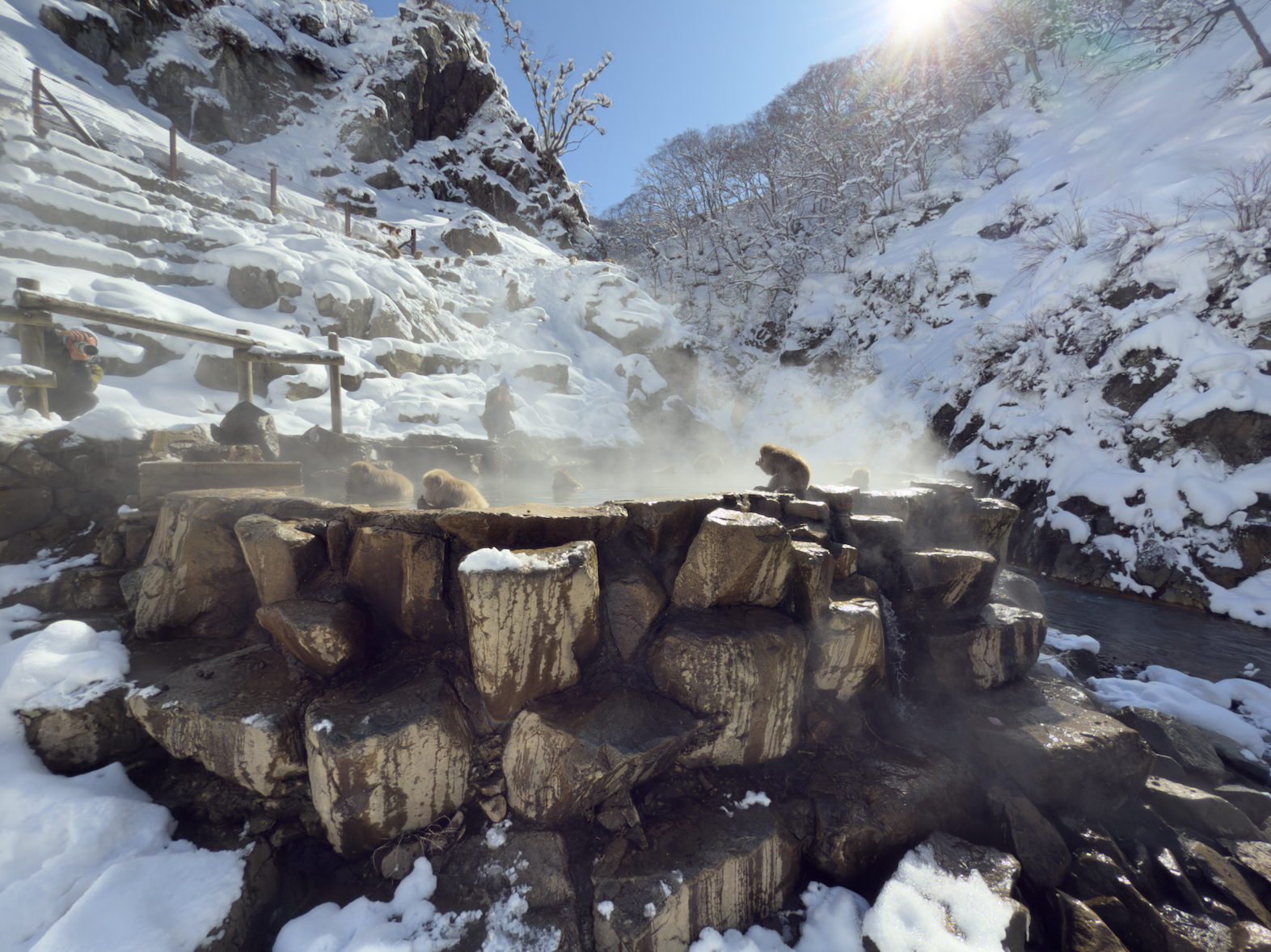
At 9:04 AM, I walked into the main area.
Within seconds, I spotted:
A monkey walking casually across my shot
A line of monkeys making their way down a snow-covered path like commuters going to work
Small ones, big ones, old ones – a full snow monkey society
In just a couple minutes, I counted at least 100 monkeys in view.
What’s crazy is how comfortable they are around humans:
They walk inches from your feet
They don’t beg for food
They don’t flinch when people take photos
They genuinely do not care that we’re there
The only reason this works is because people follow the rules:
No feeding
No touching
No trying to pick up baby monkeys “for a quick selfie”
If this were in the U.S., someone would ruin it within a week and the park would be shut down. Only in Japan could this exist in such a pure, respectful form.
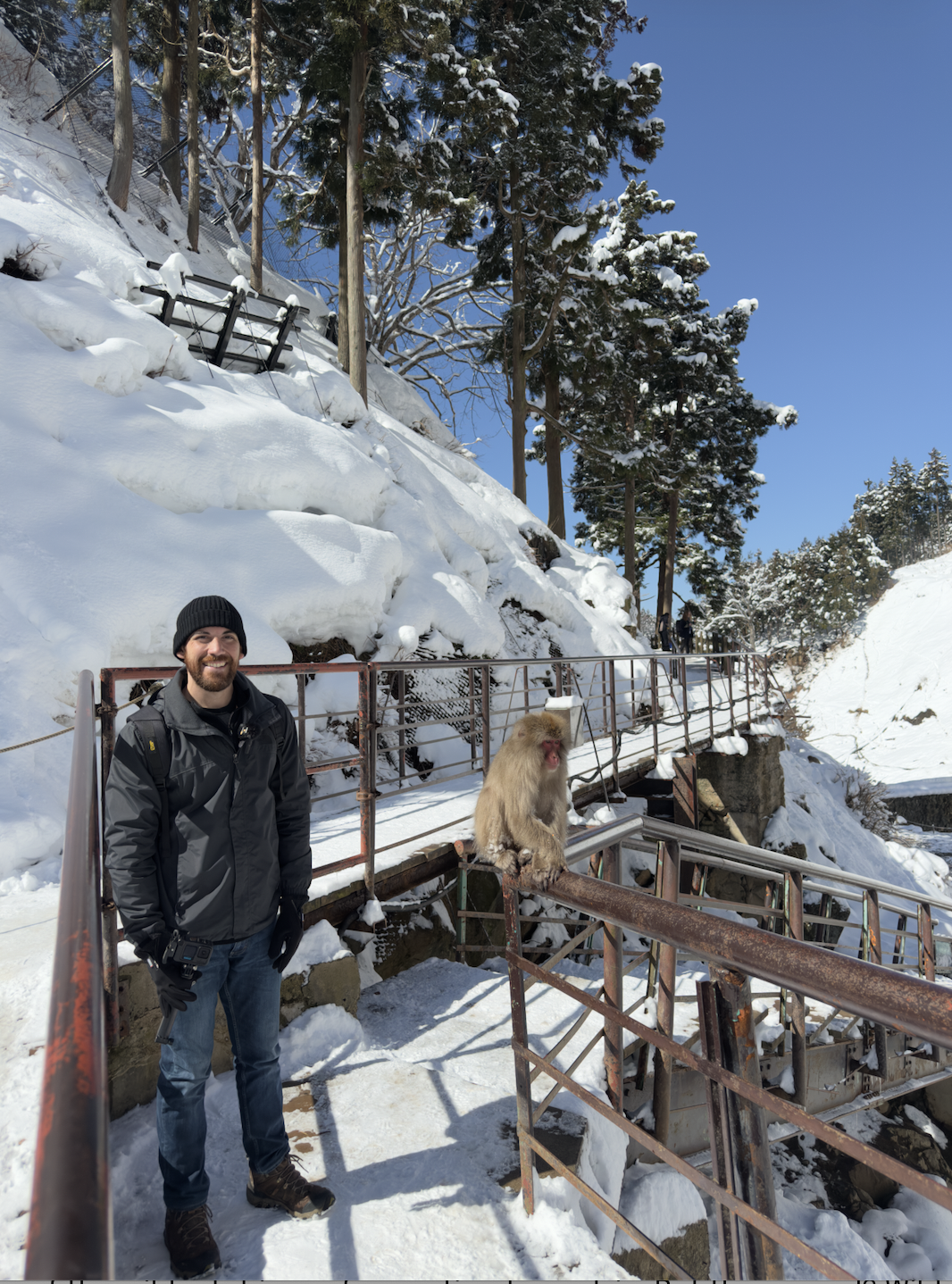
The Hot Spring Pool – Front Row Seats to Monkey Spa Day
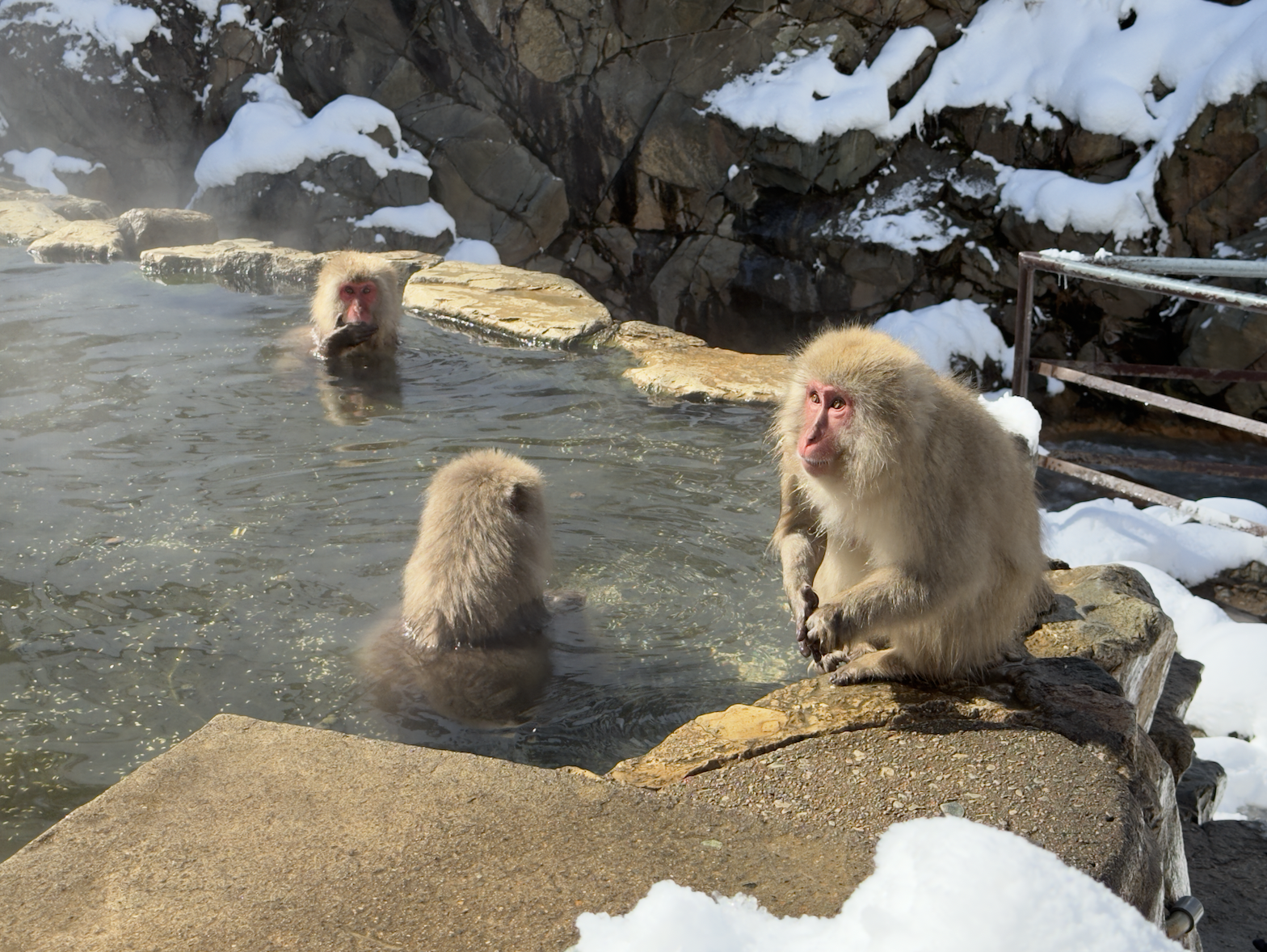
The famous hot spring area is small, but visually, it’s perfect.
You’ve seen the photos:
Monkeys soaking with their eyes half-closed
Steam rising off the water
Snow all around them
In real life, it’s somehow even better.
A few things I learned while watching:
Monkeys only stay in the water for 15–20 minutes at a time to warm up
The older monkeys seemed to claim the best soaking spots
Park staff occasionally toss barley (not rice) around – you see it as little white bits in the snow
Some monkeys pick up food with their feet first, then hands – it’s fascinating to watch
At opening time, there were barely any people, and I had space to walk, reposition, and just quietly observe.
By 9:30 AM, I’d already seen:
A mini monkey fight
Babies chasing each other through the snow
A few grumpy monkeys that nobody seemed to want to share the pool with
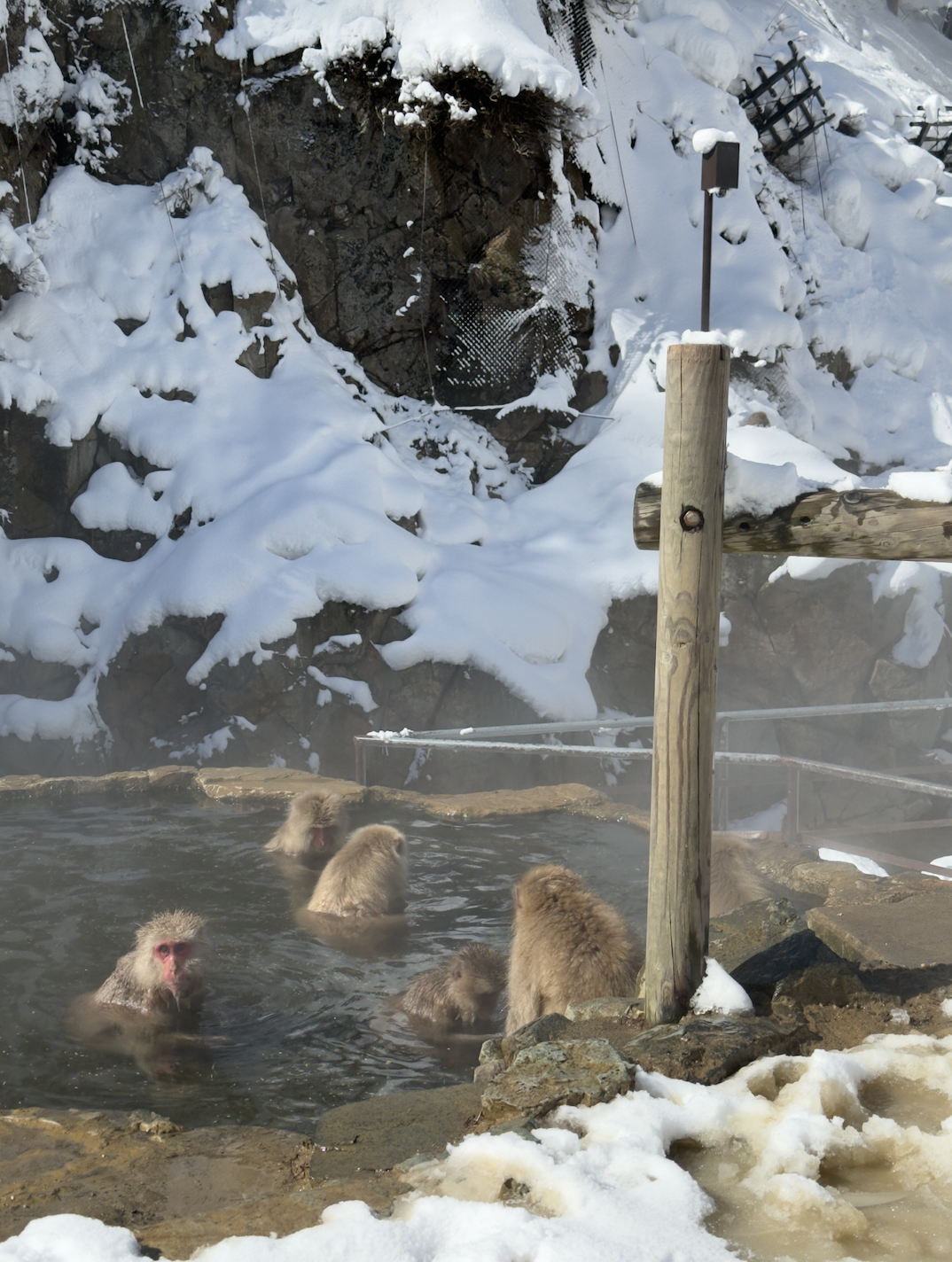
Why Getting There Early Changes Everything
I stayed in the park for over two hours.
When I first arrived:
Maybe 6 people total
Silence except for camera shutters and the sound of the river
Full access to the best viewpoints
By 10:55–11:00 AM, it looked completely different:
Around 100 people crammed into a relatively small space
Two or three people deep along the railings
Tour groups arriving in waves
Much harder to get a clean shot or quiet moment
The monkeys were still there. The experience was still great. But the vibe?
Totally different.
So if you’re debating:
“Should I get up early or just go later?”
Trust me: get up early.
The difference between 9:00 AM and 11:00 AM is the difference between:
Front-row quiet nature documentary
Shoulder-to-shoulder tourist attraction
How Long Do You Actually Need?
You can technically walk the entire park in 10 minutes.
But that’s not why you come.
This is one of those places where time kind of dissolves. You just:
Watch baby monkeys play
Observe how adults interact
Pay attention to their little habits – grooming, climbing, soaking
Move between the hot spring, river area, and upper ridge viewpoints
I ended up staying:
Around 2+ hours in the park
About 3.5 hours total counting arrivals, wandering, and gift shops
If you’re building a schedule, I’d say:
Minimum: 1 hour in the park
Ideal: 2–3 hours if you’re a photographer or just love animals
Gift Shop, Souvenirs, and That “Red Monkey Butt” Moment
Near the entrance and again closer to the parking area, you’ll find small gift shops selling:
T-shirts
Postcards
Plush snow monkeys
Keychains (I bought a snow monkey keychain)
And yes – the famous fake red monkey butt that I jokingly “touched” on camera.
No real monkeys were harassed in the making of that moment.
They also have:
Toilets
Vending machines sometimes
A bit of history about how the park became famous in the 1970s and especially during the 1998 Nagano Winter Olympics
It’s a nice, simple way to end the experience – and also one last warm stop before the cold hike back.
Hiking Back & The Long Drive Home
Leaving the park felt weirdly emotional.
You know you’ve just done something you might never do again in your life.
You walk back through the snow, pass groups hiking in, and feel… lucky.
The return hike:
Same easy path
A bit busier with people coming up
Still beautiful, still peaceful once you get away from the entrance
Back at the car, I swapped my boots for regular shoes, fired up the engine, and started the long, icy drive back to Mount Fuji.
Monkey hot springs in the morning. Mountain roads in the afternoon. Not a bad day.
Practical Tips for Visiting Jigokudani Snow Monkey Park
Best Season:
Winter (Dec–March) for snow + hot springs vibe
Shoulder seasons still have monkeys, but less snow = less of that iconic look
Timing:
Aim to arrive at the parking lot by 8:15–8:30 AM
Be at the gate at 9:00 AM when it opens
Footwear & Clothing:
Waterproof hiking boots with good grip
Warm socks, gloves, hat
Layers – it’s cold but you’ll warm up while walking
Trail Difficulty:
25–30 mins each way
Mostly flat, easy, family-friendly
Can be icy – consider spikes if you’re unsure
Tickets & Money:
Entry was 800 yen when I visited
Bring cash just in case
Some places take cards / Apple Pay, but don’t count on it everywhere
Driving Tips:
Get the ETC card with your rental car
Expect icy mountain roads in winter
Drive slowly – you’re not in a rush if you start early
Final Thoughts – Is the Snow Monkey Park Worth It?
Absolutely.
If you love:
Wildlife
Unique experiences
Winter landscapes
Travel stories that don’t exist anywhere else in the world
This belongs on your Japan bucket list.
Watching wild snow monkeys soak in hot springs, completely unbothered by humans, in a snowy valley deep in the mountains… it doesn’t feel real while you’re there. But it sticks with you long after you leave.
Watch the Full Snow Monkey Adventure on YouTube
If you want to see exactly what this experience looks like—the icy mountain drive, the forest trail, the moment the first monkey walks across my path, and the chaos once the crowds arrive—you can watch the full vlog on my YouTube channel.
It includes real-time footage, tons of close-up moments with the monkeys, behind-the-scenes clips from the road trip, and everything you need to know before visiting in winter.
Google Maps Locations from This Blog
Here are the exact places mentioned in this guide so you can plan your trip easily.
Click any link below to open it directly in Google Maps: