
Everest Base Camp Teahouse Guide – What to Expect
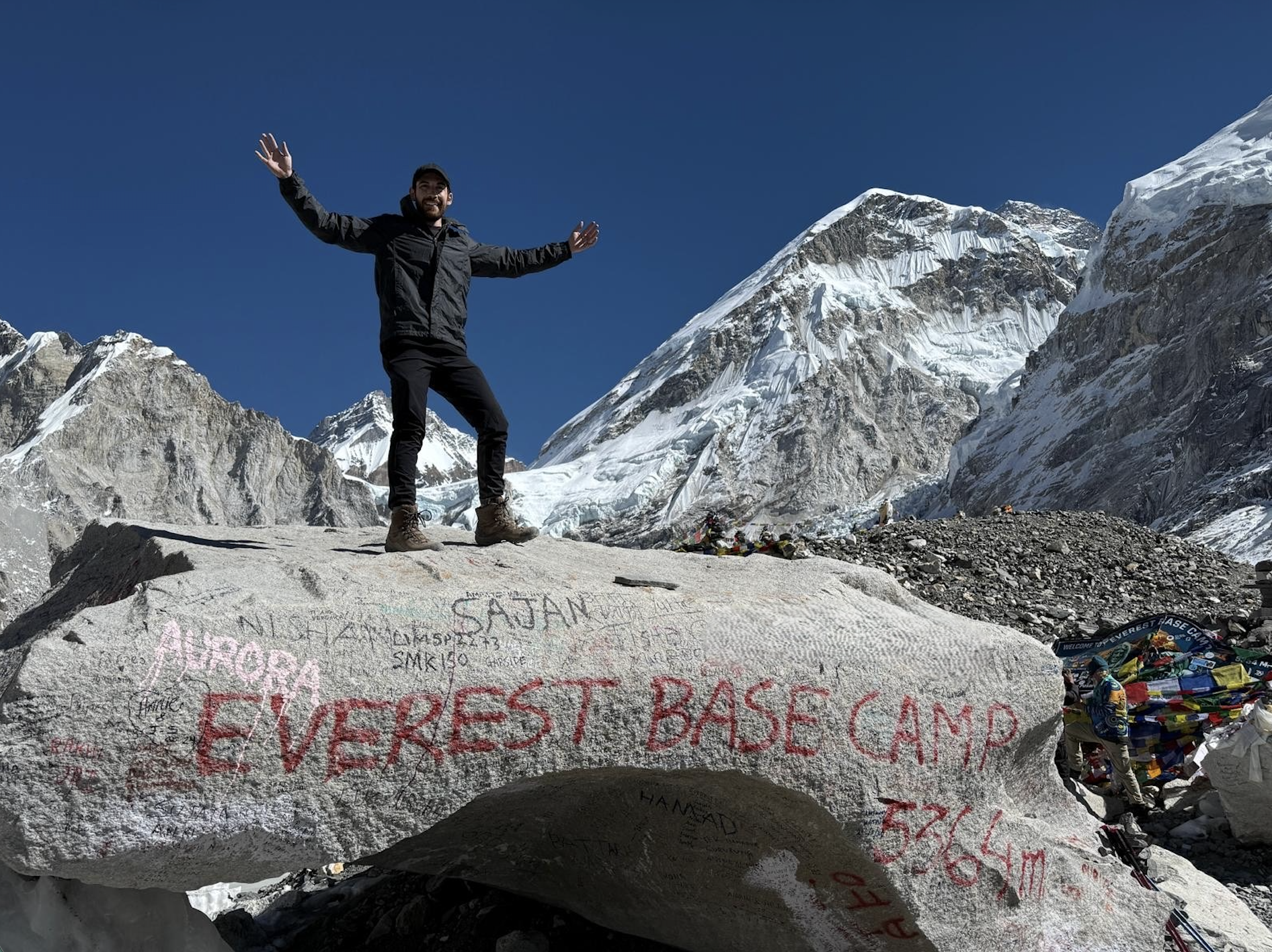
You’re going to spend a lot of nights in teahouses on the way to Everest Base Camp.
Some are cozy.
Some are freezing.
Some will make you question your life choices at 3:00 a.m.
In this guide, I’m breaking down every teahouse stay on my EBC trek, day by day and rating them on:
Wi-Fi
Food
Toilets
Charging
Heat
Overall comfort
I’ll tell you what was worth paying for, what to skip, and the little details I wish I’d known in advance.
And at the very end, I’ll share the one thing I regret most about the entire trek. It wasn’t gear. It wasn’t skipping a rest day. It was something I didn’t do — and I still think about it.
How This Guide Works (Quick Overview)
This isn’t a list of specific lodge names — teahouses rotate, change owners, and vary by trekking company. Instead, this is a realistic expectations guide for each major stop on a standard EBC itinerary:
What the average teahouse is like
What amenities you’ll likely have
What’s worth paying extra for
Where the comfort drops off a cliff (sometimes literally)
Use this as your mental map for what each night on the trail might feel like.
Day 1 – Kathmandu
Urban Comfort Before the Chaos
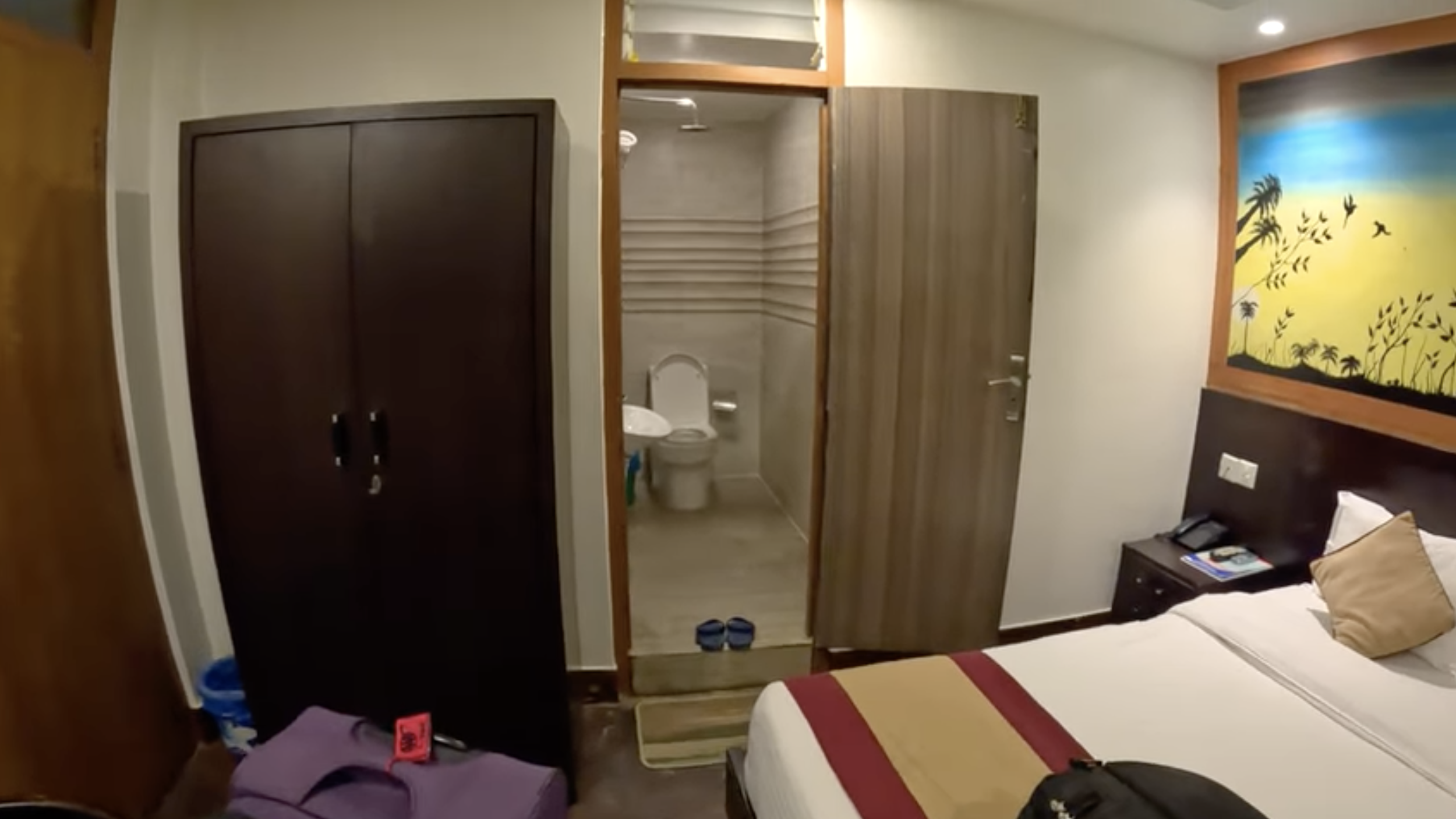
Your first night in Nepal is pure comfort — especially if you stay in a decent mid-range hotel in Kathmandu.
I stayed with a welcoming family-style hotel that was:
Affordable
Clean
Comfortable
And honestly? The last time I felt “fully clean” for about two weeks
Room setup:
Private hotel room
Ensuite bathroom
Unlimited hot water
Working heater
TV (that I didn’t touch because jet lag flattened me)
Wi-Fi was fast enough for streaming and catching up with friends back home, and there were plenty of charging outlets in the room.
Food-wise, you can get almost anything in Kathmandu:
Nepali classics
Indian curries
Western comfort food (burgers, pizza, pasta)
Even sushi in some places
This is also your last good chance at safe meat. Once you’re on the trail, meat becomes risky pretty fast.
If you’ve got time:
Get a massage
Drop off laundry
Buy last-minute gear
Enjoy hot showers while you can
Overall rating: ⭐⭐⭐⭐⭐ (5/5)
Smooth, warm welcome to the country.
Day 2/3 – Phakding
Gentle Intro to Teahouse Life
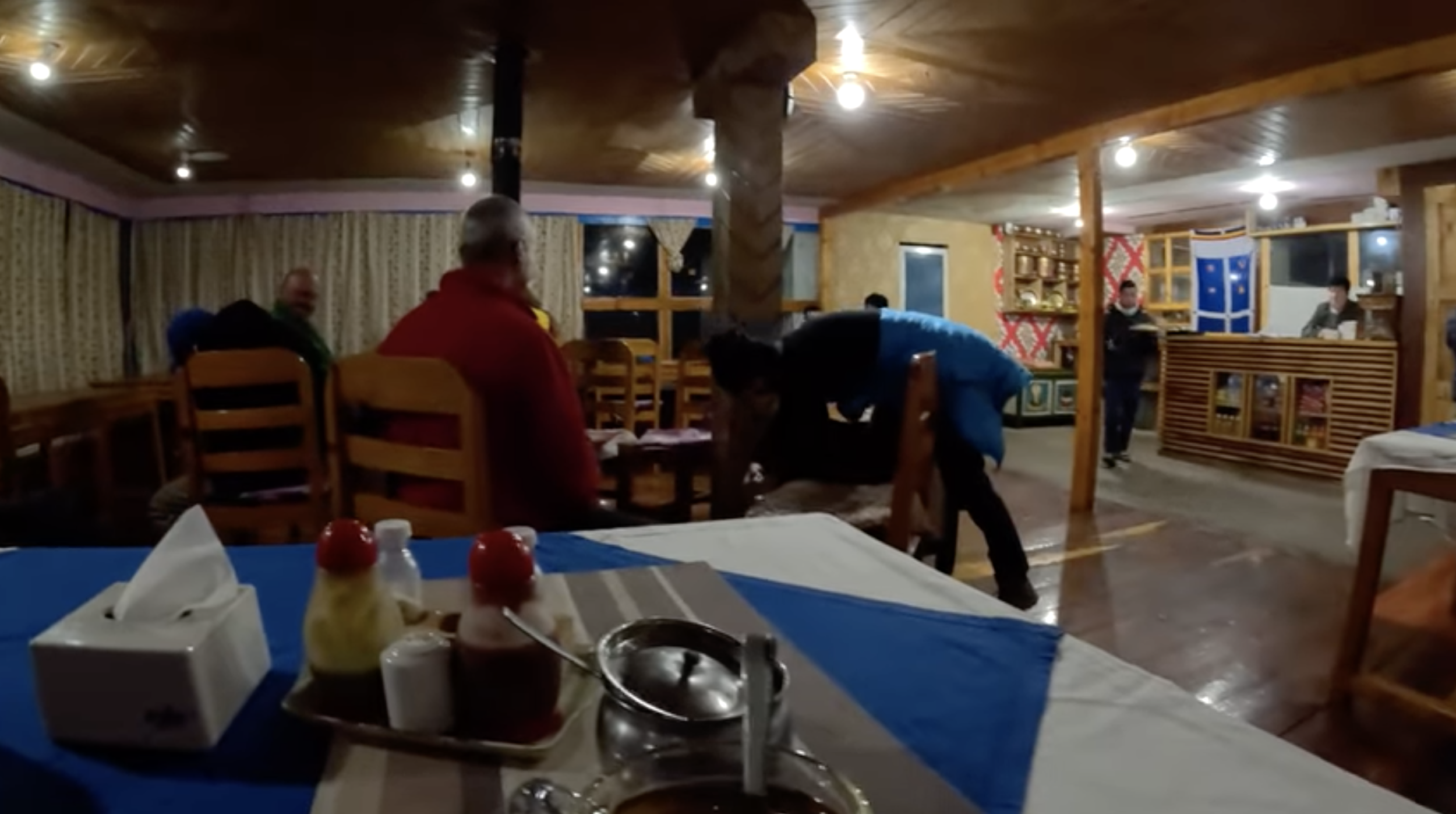
After your hair-raising flight into Lukla and a short downhill walk, you’ll likely spend your first trail night in Phakding.
This stop is usually pretty nice compared to what’s coming.
My teahouse here had:
Large private room
Private western toilet in the room
Power outlet in the room (free charging)
Wi-Fi worked in the dining room for a small fee, and I still had a sliver of cell service — the last one of the trek. I was able to send a few messages using my regular carrier.
Food options:
Dal bhat
Soups
Surprisingly good French toast
Hot showers were available for a fee, but I skipped it since it was only night one and I wasn’t that gross yet.
Heat:
No heat in the rooms
Dining room stove kept things reasonably cozy
In late November, it wasn’t brutally cold yet
Overall rating: ⭐⭐⭐⭐ (4/5)
Easy, comfortable, and a nice intro to teahouse trekking.
Days 4–5 – Namche Bazaar
Mountain Luxury (By Trek Standards)
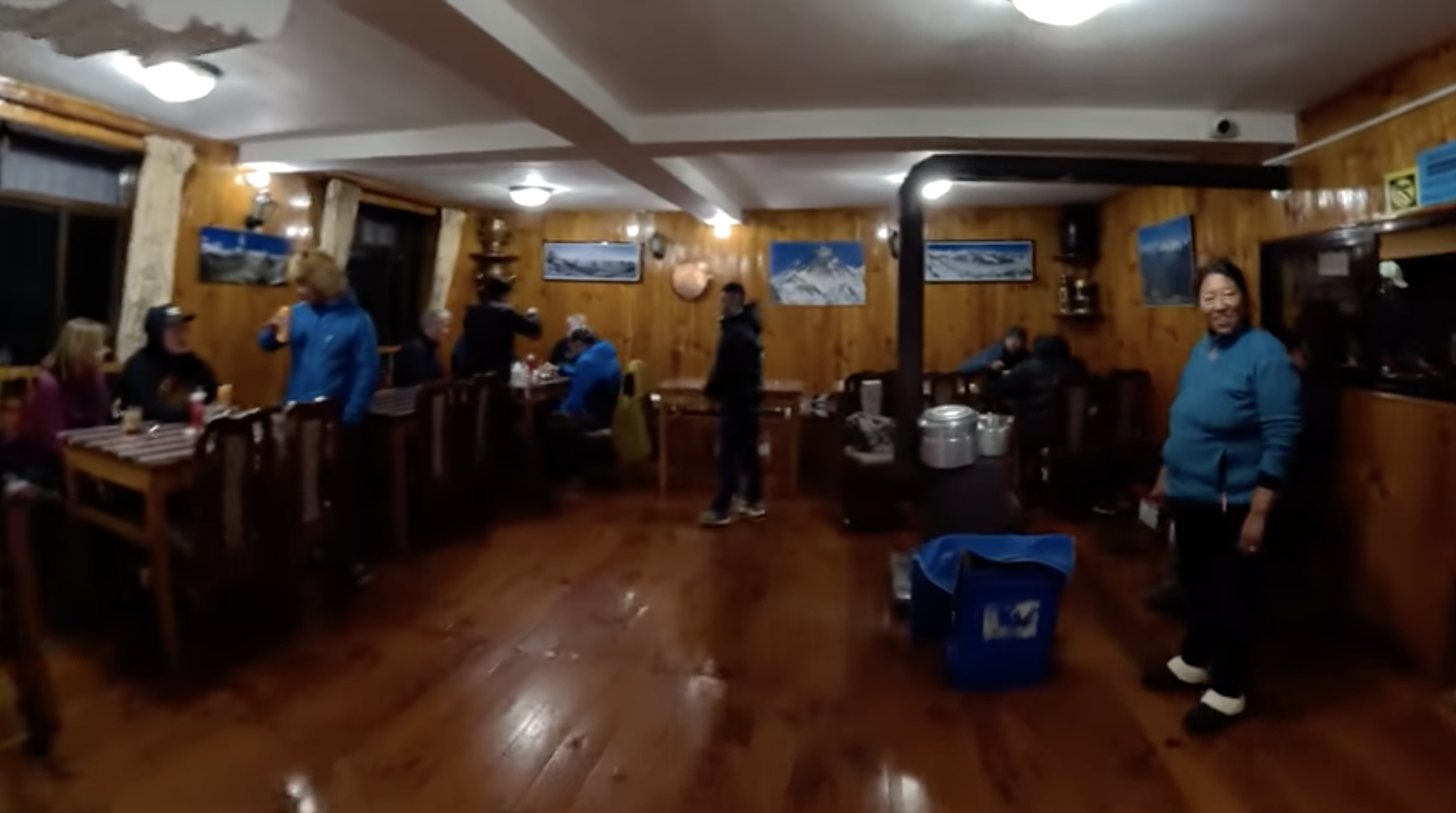
Welcome to Namche Bazaar, the Sherpa capital and your first real taste of mountain luxury.
Namche feels like a small cliffside city, with shops, bakeries, bars, and gear stores stacked into the hillside.
My lodge here:
Private room
Ensuite bathroom with western toilet
Lively dining room full of trekkers
Good food and lots of social energy
Wi-Fi:
Paid
Only in the dining room
Works fine for messaging and even a bit of YouTube if you’re patient
Food highlights:
More French toast
Tea and coffee
Bakeries with fresh bread and treats
Yak cheese if you’re feeling bold
Showers:
Paid hot shower heated by propane
Temperature: hot → cold → hot → cold
Water pressure: “sad drizzle”
Bathroom: freezing, zero insulation
You’ll likely need to rent a towel and bring your own soap
Power:
Outlets in the room
But town-wide power outages happen regularly
Charging is hit or miss depending on timing
Heat:
Dining room stove = warm
Room = still cold
Good sleeping bag and layers are essential
Overall rating: ⭐⭐⭐⭐⭐ (5/5)
Despite the quirks, Namche is one of the most luxurious stops on the trail.
Day 6 – Portse
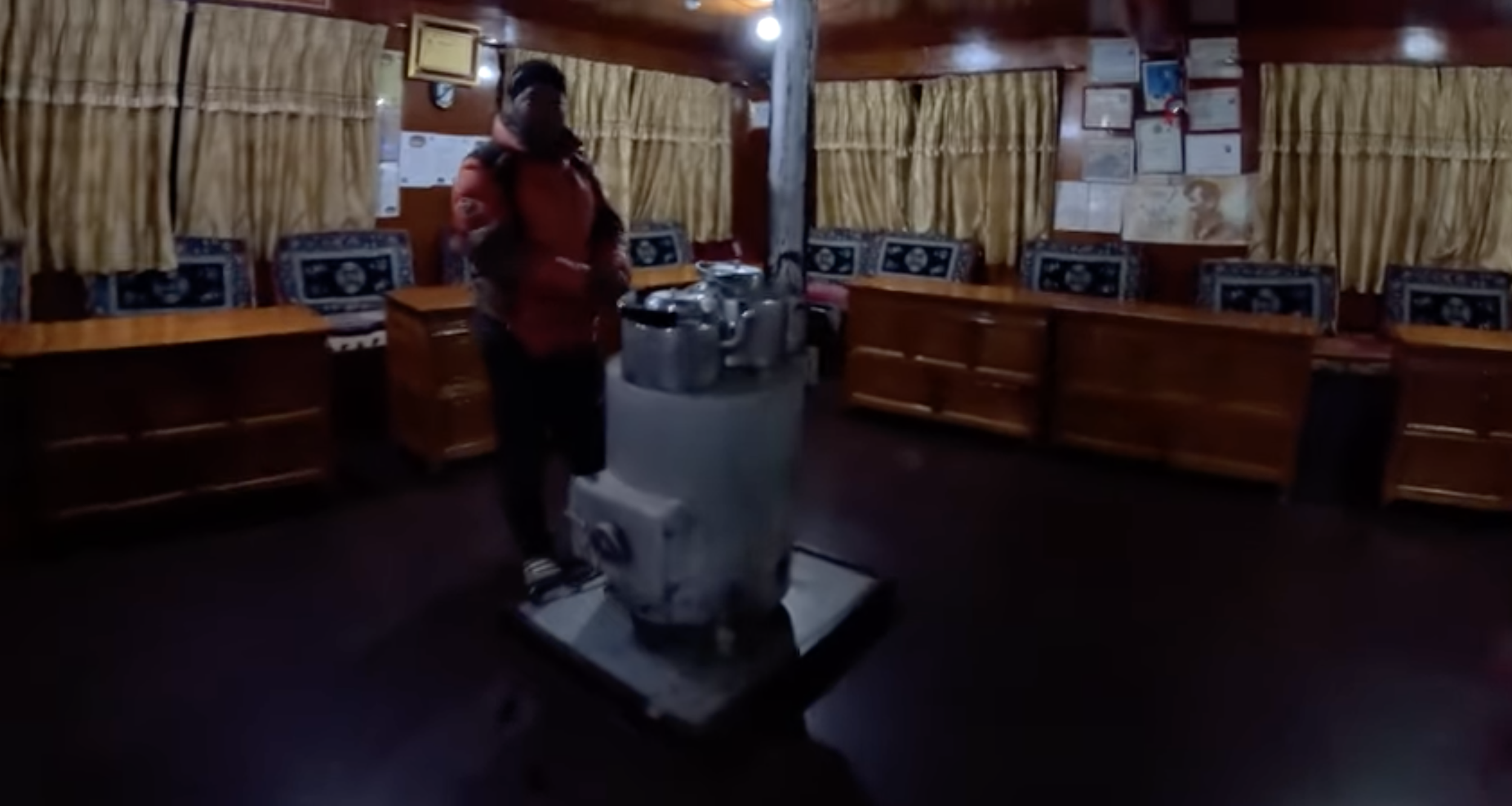
Peaceful and Off the Grid
Instead of the more crowded Tengboche, I took the alternate route to Portse — and I highly recommend it.
Portse felt like a quiet, off-the-grid mountain sanctuary:
No Wi-Fi
No cell service
Just mountains, sky, and silence
Food:
Dal bhat
Veggie curries
Eggs
Endless ginger tea
Bathrooms:
Shared
Clean
Mix of western and squat toilets
Showers:
None
Charging:
Available in the dining room for a fee
Power bank charging cost more than phone only (a trend that continues up the trail)
Heat:
Dining room had a yak dung stove
It helped during mealtimes
Rooms were unheated and cold, but manageable with layers
The tradeoff for fewer amenities is peace and views that feel like they belong to you and a handful of trekkers.
Overall rating: ⭐⭐⭐⭐ (4/5)
Off-the-grid calm with incredible scenery.
Days 7–8 – Dingboche
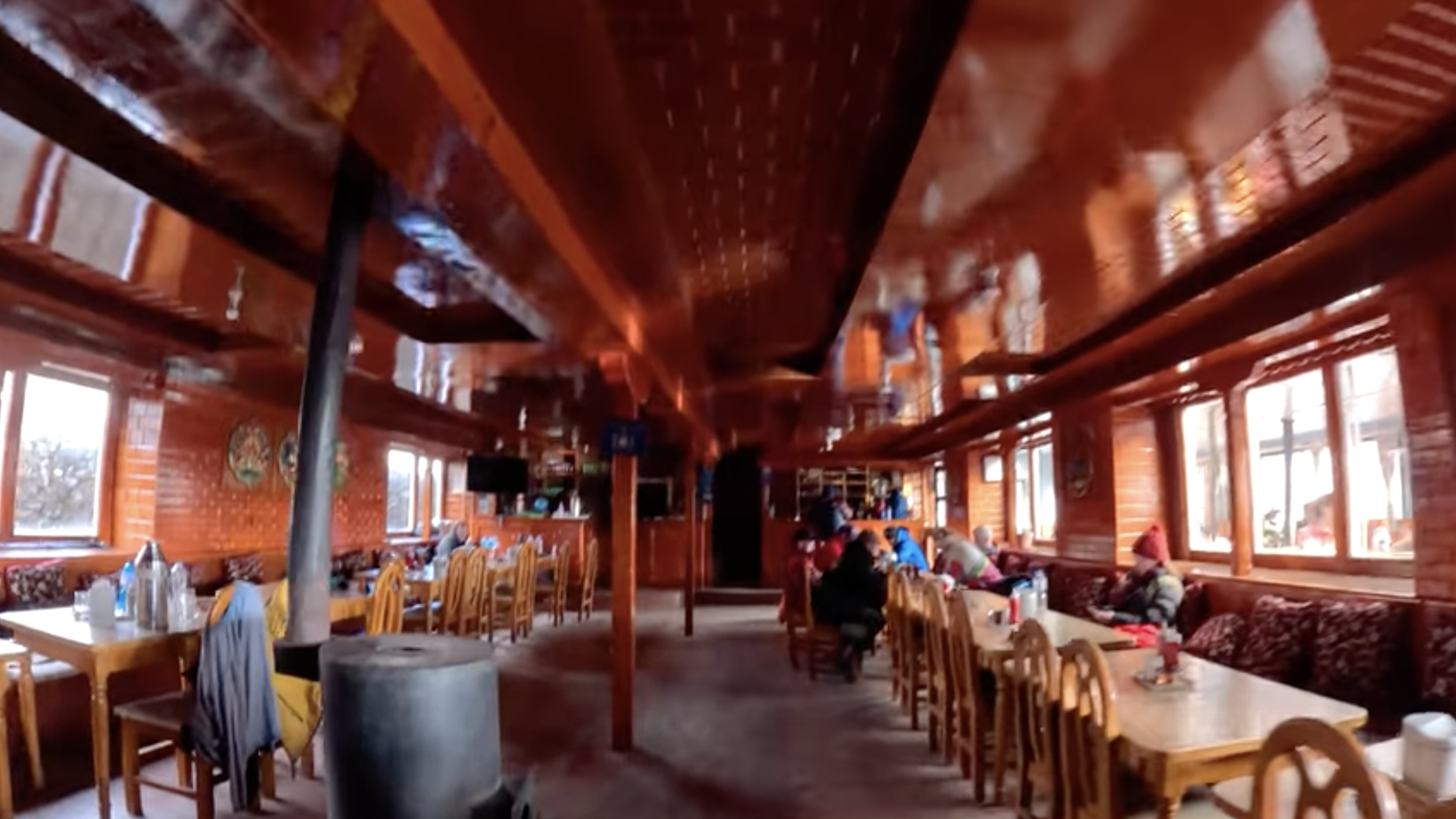
Altitude, Cramped Rooms, and Cold Reality
By Dingboche, you’re feeling the altitude for real.
My room:
Tiny
Just enough space for a single bed and backpack Tetris
Shared hallway western toilets (not very clean)
Shared sink, also not clean
Bathrooms:
Bring your own soap
Bring your own mental toughness
Showers:
None (not that you’ll want one)
Wi-Fi:
Paid
Very spotty
I tried once and gave up
Charging:
Available in the dining room behind the front desk
Higher fee for power banks versus phone-only charging
Food:
Dal bhat
Soups
At this point, you’re eating for energy, not flavor
Heat:
Only the dining room stove
Rooms were ice cold
I started sleeping in:
Base layers
Jacket
Hat
Thick socks
Inside the sleeping bag, zipped tight
Overall rating: ⭐⭐⭐ (3/5)
Not terrible, but altitude + cold start to dominate everything.
Optional Acclimatization Day in Dingboche
If you take an extra night here (highly recommended if you feel off), it’s more of the same teahouse-wise, but crucial for your body.
I skipped this acclimatization day.
I paid for it later.
Some people move to a different lodge or find a bakery with Wi-Fi, but the main point of this day is simple: rest and adjust.
Day 9 – Lobuche
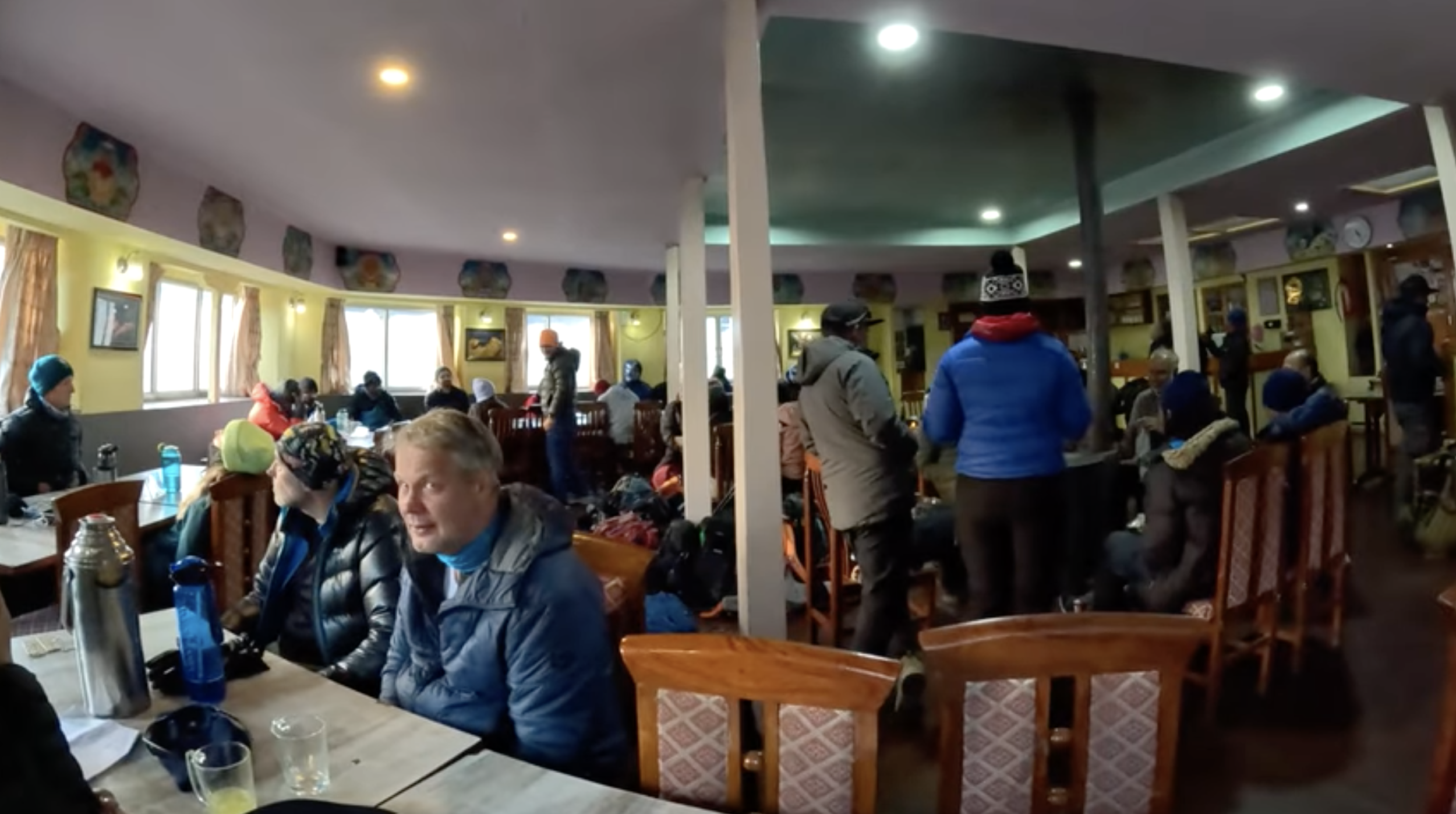
Big Room, Harsh Reality
Lobuche surprised me.
The room itself was huge:
Queen-size bed
Desk
More space than anywhere else on the trek
But everything else dropped off a cliff.
Dining room:
Smoky from poor ventilation
Burning dung smell in the air
My eyes stung the entire time
Bathrooms:
Shared western toilets
Not clean
Shared sink, also not clean
Showers:
None
Wi-Fi:
None
Charging:
Yes, in the dining room for a fee
Power bank more expensive than phone-only, as usual
Altitude:
Hits hard here
Walking to the bathroom feels like a workout
Heat:
Rooms were freezing
My water bottle had ice in it by morning
Overall rating: ⭐⭐ (2/5)
Loved the big room. Hated everything else.
Day 10 – Gorak Shep
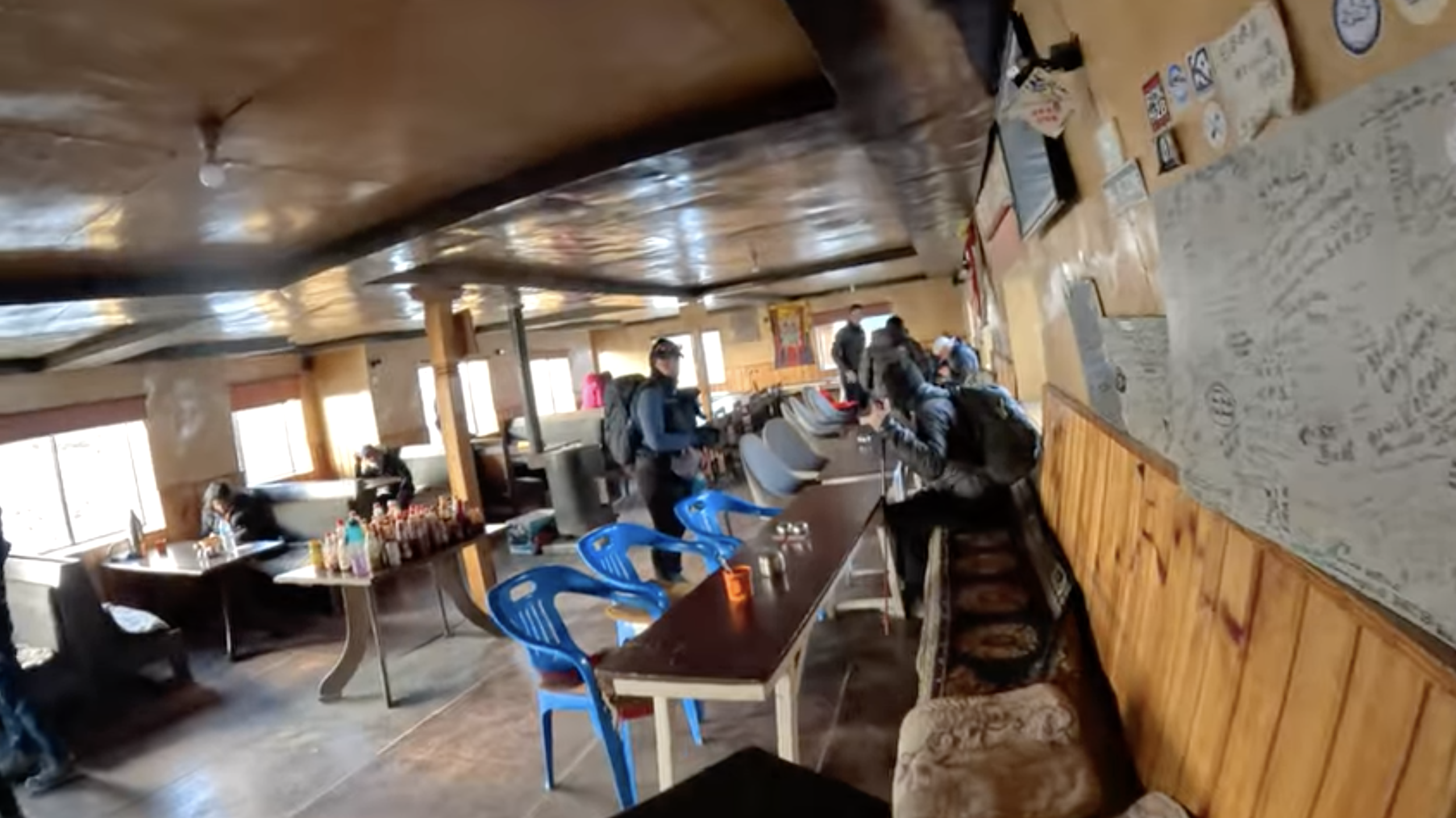
Survival Mode at the Top
If Lobuche was harsh, Gorak Shep is full-on survival mode.
This is the highest village on the route, and almost everyone feels it.
My room:
Smallest of the entire trek
Narrow single bed
Thin walls
No space for gear
Around me:
Trekkers curled up in the dining room
People clearly battling nausea, headaches, and exhaustion
Bathrooms:
Worst on the trek
Shared western toilets, barely cleaned
Shared ice-cold sink
Showers:
None
Wi-Fi:
None (or not working)
Charging:
Yes, in the dining room for a hefty fee
Food:
Basic: soup, noodles, tea
You’re not here to eat well; you’re here to reach base camp and get back down
Heat:
No room heat
Dining room stove tried, but couldn’t keep up
Sleeping is a test of willpower
Overall rating: ⭐⭐ (2/5)
You don’t come to Gorak Shep for comfort. You come for Everest Base Camp.
Day 11 – Pheriche
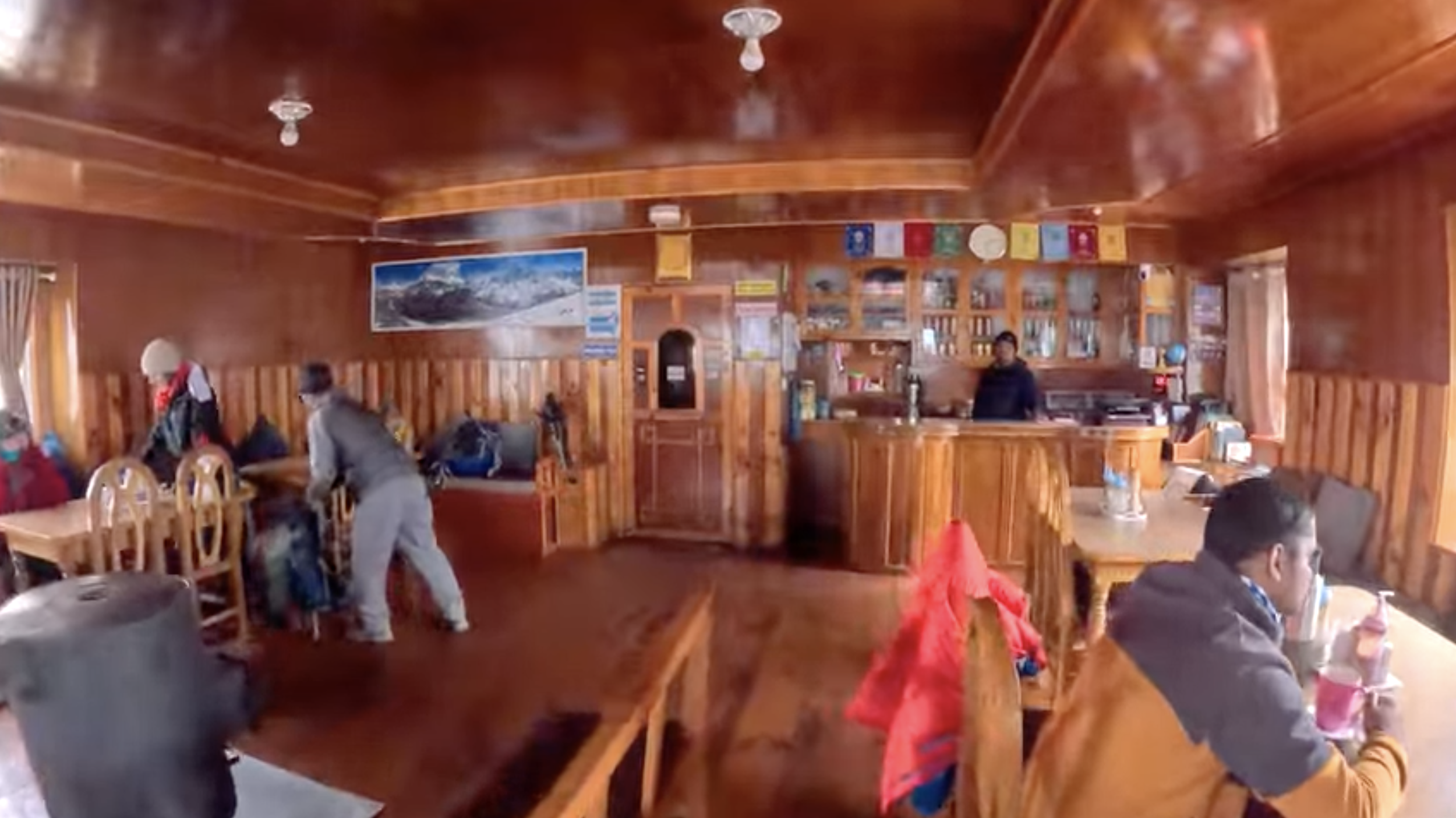
A Breath of Oxygen and Relief
On the way down, everything feels better — and Pheriche is where relief really hits.
My room:
Big
Room to unpack
Felt vaguely human again
Bathrooms:
Shared
Much cleaner than places higher up
Showers:
None (but still not a huge loss at this stage)
Wi-Fi:
I didn’t even try
I didn’t see many people glued to their phones, which says something
Charging:
Paid charging in the dining room, same system as everywhere else
Heat:
Dining room had a yak dung stove that actually warmed the space well
Rooms were still cold, but manageable at this altitude
Food:
Mostly soups, but your appetite starts to return
Everything tastes a little better once you can actually breathe
Overall rating: ⭐⭐⭐⭐ (4/5)
Amazing what a bit of oxygen and space can do.
Day 12 – Namche Bazaar (Again)
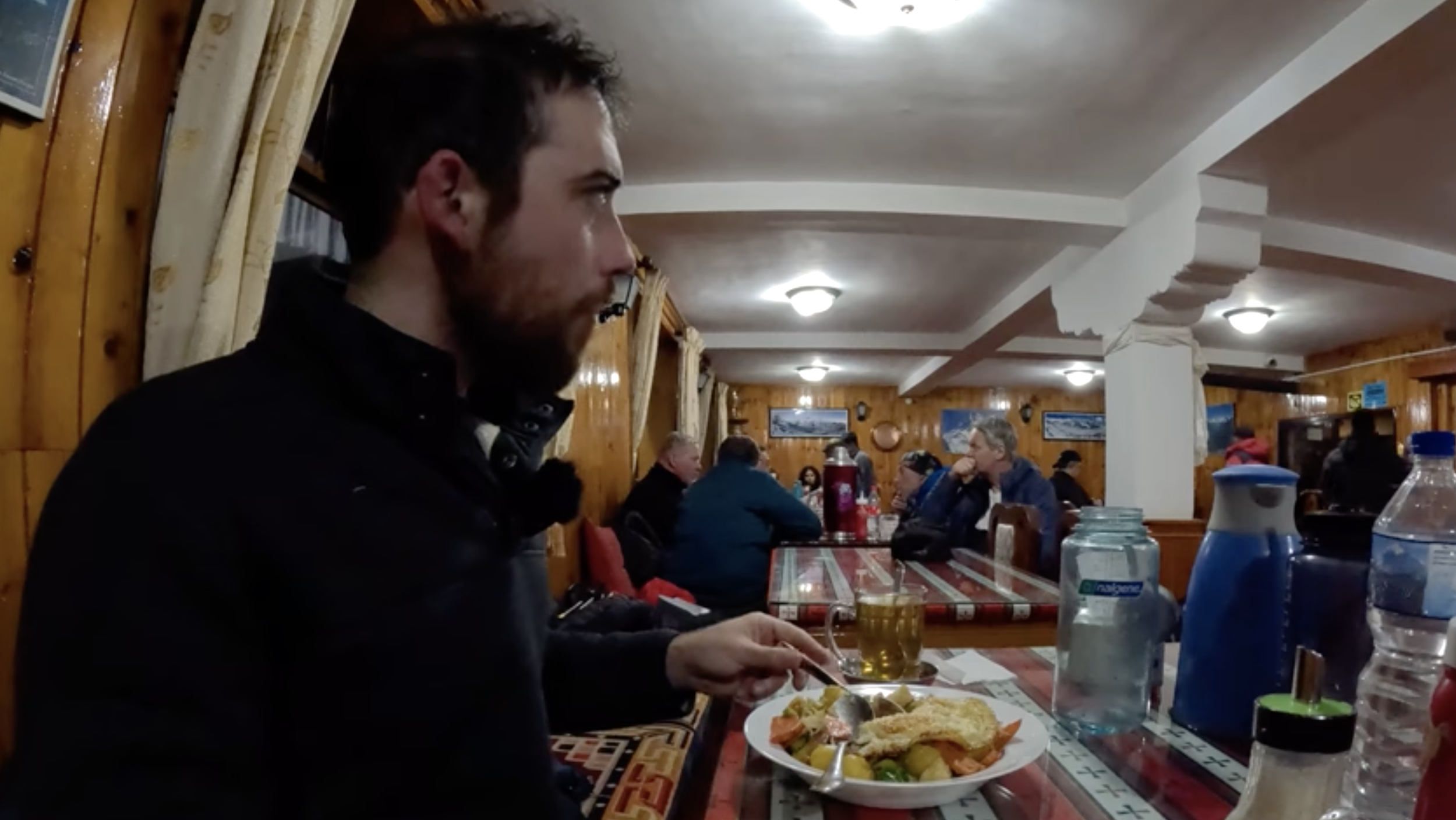
Returning to Civilization
Coming back to Namche is like stepping into a dream you’ve already had.
Nothing has really changed:
Rooms are still cold
Power still cuts out
Hot showers are still… questionable
But now you’ve:
Been to base camp
Lived in survival mode
Lowered back into the land of “sort of normal”
I stayed in the same lodge and room:
Paid for another hot shower
It was lukewarm at best and turned cold fast
Most of the hot water had probably already been used
Did I care?
Not at all. I was just happy to feel even slightly cleaner.
Overall rating: ⭐⭐⭐⭐⭐ (5/5)
Mountain luxury feels even better on the way down.
Day 13 – Lukla
Victory Lap
Your final trail night is usually in Lukla, and it feels like a victory lap.
My teahouse:
Big double room
Ensuite toilet
Private shower
The shower experience:
Temperature swung between scalding and freezing
Air was icy
No soap, but they provided a towel for a fee
Dining room:
Heated
Poor ventilation, so smoke hung in the air (similar to Lobuche)
Wi-Fi:
Worked
Charging:
Free in the room
Food:
Solid, filling final dinner before your flight back to Kathmandu
Overall rating: ⭐⭐⭐⭐ (4/5)
Not perfect, but after what you’ve just done, it feels like the Ritz.
My Biggest Teahouse Regret
It wasn’t what I ate.
It wasn’t where I slept.
It was what I didn’t do.
I didn’t stargaze enough.
I let the cold stop me. I told myself:
“You need to rest.”
“You’re exhausted.”
“It’s too cold to go back outside.”
I only stepped out a couple of times at night. But when I did, I saw something I’ll never forget:
The sky exploding with stars
The black outline of Himalayan peaks, carved out of starlight
A jagged horizon that felt otherworldly
It’s the kind of thing you can’t really photograph. You can only feel it.
If you’re trekking to Everest Base Camp, hear me on this:
No matter how cold or tired you are, go outside and stargaze every night you can.
It’s one of the most powerful parts of the experience — and if you skip it, it might become one of your biggest regrets.
One Last Tip: Your Trekking Company Matters
All teahouses aren’t created equal. And realistically, all trekking companies aren’t either.
Bigger or better-organized trekking companies often:
Pay more at each stop
Get private rooms more often
Secure better dining room spots
Have earlier or more reliable meal times
It doesn’t turn the trek into a five-star resort, but it absolutely improves your teahouse experience.
Want More Everest Base Camp Details?
This guide is part of my full Everest Base Camp video series, where I break down:
Each leg of the trek
Realistic hiking times and challenges
Packing tips that actually matter
All the small logistic details nobody tells you
If this helped you plan or set realistic expectations, check out the full series on YouTube.
Trekking company I used. Make sure to request Bhupal as your guide! https://www.alpineramble.com/
Travel smart — and as always…
Travel Far.